Empty Rooms, Full Bills: Kingston’s Empty Homes Premium and the Enforcement Deficit
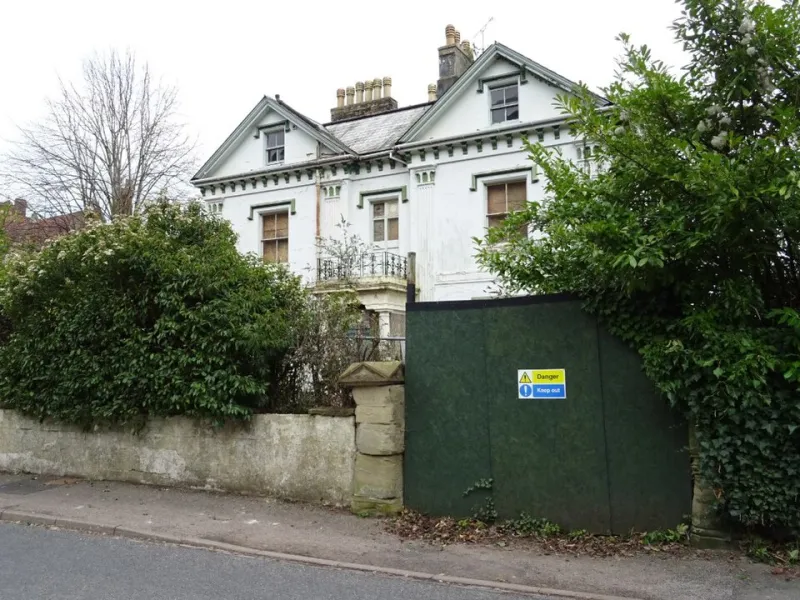
Photo: Philip Halling , CC BY-SA 2.0, via Wikimedia Commons
An empty home is not just a dark window. It is a council tax puzzle, a housing supply question and, in some streets, a safety concern. Kingston Council has powers to charge a premium on long-term empty properties. The policy is designed to nudge owners into bringing homes back into use. The question for 2026 is whether the premium is being billed correctly, enforced consistently and converted into homes.
Kingston Press has examined the council’s empty homes data, asked for inspection and enforcement figures, and spoken to residents who have reported derelict properties. The picture is of a policy with a clear purpose and a thin enforcement tail.
The premium: what the rules say
Council tax has long included a discount for empty properties. Over the past decade, governments have replaced that incentive with a premium. Since 2019, councils in England have been able to charge a 100 per cent premium on homes empty for two years or more. From April 2024, new powers allowed councils to charge a 100 per cent premium on homes empty for one year, rising to 200 per cent for five years and 300 per cent for ten years or more.
The premium is not a penalty on hardship. It is a charge on prolonged vacancy. Councils can grant exemptions in limited circumstances, including probate, structural repairs or a property being marketed. The aim is to change behaviour, not to raise revenue for its own sake.
In Kingston, the premium is administered through council tax records. That makes it dependent on data: billing addresses, exemptions, discounts and reports from residents. If the data is wrong, the policy is wrong.
What the numbers show
Figures supplied to Kingston Press under Freedom of Information show a persistent gap between the number of long-term empty homes and the number of properties subject to the premium.
| Metric | 2023-24 | 2024-25 | 2025-26 to date |
|---|---|---|---|
| Long-term empty homes identified | 241 | 268 | 286 |
| Homes subject to empty homes premium | 132 | 151 | 164 |
| Properties inspected | 44 | 39 | 21 |
| Homes brought back into use | 31 | 37 | 18 |
| Enforcement notices or formal action | 6 | 4 | 2 |
| Prosecutions | 0 | 0 | 0 |
The table tells a story of modest progress and limited enforcement. The number of identified long-term empty homes has risen. The number subject to the premium has risen more slowly. Inspections have fallen. Prosecutions are nil.
That does not mean the council is doing nothing. Empty homes work is often patient and collaborative. Officers write letters, offer advice and negotiate with owners. Formal enforcement is expensive and slow. But the balance matters. A premium that is billed but not enforced is a nudge without a consequence.
The inspection gap
An empty homes premium is only as good as the data behind it. Council tax records can lag behind reality. A property may be recorded as occupied when it is not, or as empty when it has been brought back into use. Inspections confirm the facts. Without them, the council is relying on self-reporting and post.
Kingston Press asked how many premium cases were reviewed, how many exemptions were granted and how many properties were returned to use because of enforcement. The council provided headline figures but not case-level data, citing taxpayer confidentiality. That is understandable. But the aggregate figures still leave questions. Why have inspections fallen while the number of identified empty homes has risen? How many of the homes brought back into use were the result of premium letters, and how many were simply sold?
Cases that fall through
Residents in New Malden, Chessington and Norbiton have reported derelict homes in their streets. Some have been empty for years. The council’s formal options include empty dwelling management orders, compulsory purchase and works in default. These are rarely used. They are also not the only tools: environmental health can act on nuisance, building control can act on dangerous structures, and planning enforcement can act on breaches.
The enforcement gap is not unique to Kingston. Councils across England struggle to turn council tax data into housing outcomes. But the premium makes the gap more visible. Every empty home that attracts a premium is a public admission that the property is vacant. The next question is what the council does with that admission.
A practical guide: how to report a derelict home in your street
If you are concerned about a vacant property, there are steps you can take. Do not enter the property or confront anyone. Record the address, how long it has been empty, and any visible problems: broken windows, damp, vermin, fly-tipping, structural movement or fire risk.
Report it to Kingston Council. The council’s website has routes for empty homes and council tax enquiries. Ask for a case reference. If the property is causing a statutory nuisance, contact environmental health. If it is dangerous, contact building control or the fire service. If there is an unauthorised change of use or a planning breach, contact planning enforcement.
Ask your ward councillor to raise the case. Keep a written record of dates and responses. If you want aggregate data, submit a Freedom of Information request asking for the number of long-term empty homes, premium cases, inspections and enforcement actions in your ward. Be patient: enforcement can take months or years.
The 2026 test
Kingston’s housing strategy commits the council to reducing long-term emptiness. The premium is one tool. It is not a substitute for building homes, and it should not become a revenue stream that councils depend on. The test for 2026 is whether the council can publish a clear annual empty homes report: how many properties were identified, how many were charged the premium, how many were inspected, how many were brought back into use, and how many enforcement actions were taken.
A public report would not solve the housing crisis. But it would make the policy accountable. Dark windows are not just an aesthetic problem. They are a public ledger of unused housing. Full council tax bills are only the first step; the second is making the premium visible, enforceable and effective.